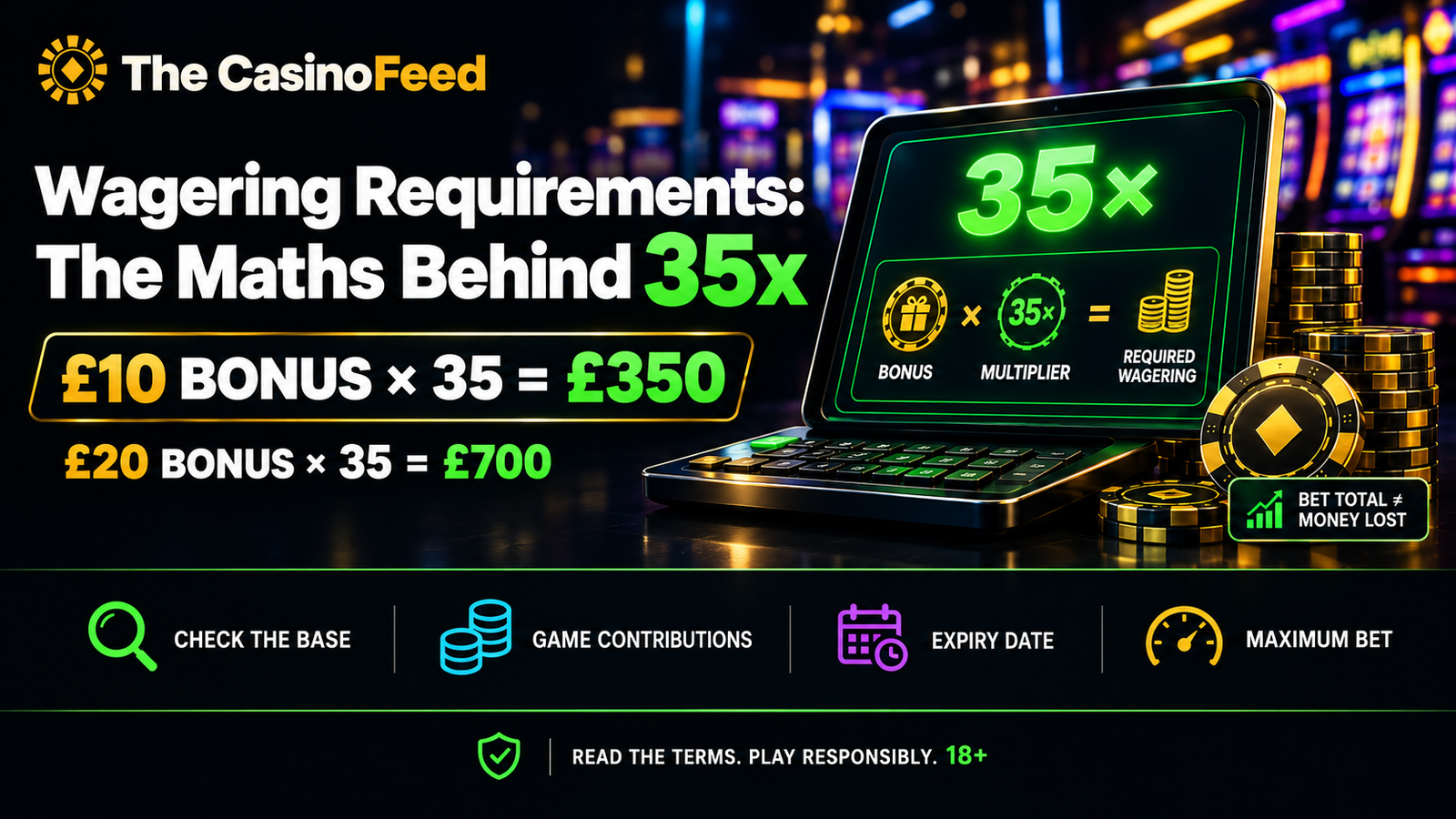
Picture this: you take a €20 no-deposit bonus, get lucky on a slot, and watch your balance climb to €5,000. You clear the wagering requirement, hit withdraw, and the casino tells you that you can only cash out €100. The other €4,900 simply evaporates. This isn’t a glitch, and it isn’t the casino cheating you outright, it’s a max cashout casino bonus term that was sitting in the fine print the entire time, and it’s one of the most-complained-about clauses in the entire industry.
Max Cashout Meaning: What This Term Actually Does
Max cashout meaning, in plain language: it’s a cap that limits the total amount of money you can withdraw from the winnings derived from bonuses, even if you win more than that amount. For example, if a max cashout for a bonus is €100 and you managed to get €5,000 winnings using €20 in legit playing, you should not be taking home €5,000; instead, you will only be taking home €100. The excess amount will be subtracted from your account when you try to cash out.
This is not a betting requirement where you have to bet before withdrawing. The maximum cashout cap is the maximum amount that you will be able to withdraw, irrespective of the conditions you meet. This means that even when you meet all the conditions of the bonus, bet the necessary amount, and avoid the restricted bets, you might end up withdrawing an insignificant amount compared to the balance in your account.
Maximum Withdrawal Bonus Winnings: Where This Term Hides
The maximum withdrawal bonus winnings cap is almost always disclosed, but rarely disclosed prominently. It typically shows up in one of these forms in the terms and conditions:
- A flat cap, like “maximum withdrawal from this bonus is €100,” regardless of how large the bonus itself was.
- A multiplier of the bonus amount, like “maximum cashout is 5x the bonus value”, so a €20 bonus caps out at €100 in withdrawable winnings, even if the actual balance is many times higher.
- A tiered cap that differs depending on whether it’s a no-deposit bonus, a deposit-match bonus, or free spins, with no-deposit offers almost always carrying the tightest caps since the casino is giving away money with no purchase attached at all.
The clause is legal and, if disclosed clearly, generally considered a legitimate part of how bonus terms work, but “legally disclosed” and “reasonably discoverable by an actual player before they deposit or claim the offer” are two very different things, and that gap is exactly where most of the frustration in this space comes from.
Why Casinos Use a Win Cap in the First Place
From the operator’s side, a win cap casino bonus exists because free or low-cost promotional money creates a real financial exposure if left uncapped. A no-deposit bonus, in particular, costs the casino real money to hand out with no guarantee a player deposits anything at all afterward. Without some kind of ceiling, a rare lucky run could turn a marketing giveaway into a payout the promotion was never designed to fund. Capping the cashout lets a casino advertise an eye-catching headline number, “play with €20 free!”, while controlling the actual downside risk if a player gets unusually lucky.
That’s a defensible business reason. The player-protection problem isn’t that the cap exists, it’s how easily it can be buried, and how often a player only discovers it exists at the exact moment they’re trying to withdraw a life-changing number that was never actually theirs to take.
How to Protect Yourself Before You Ever Deposit
The single most effective thing you can do here is read the bonus terms before you claim any offer, specifically looking for the phrase “maximum withdrawal,” “max cashout,” or “win cap”, not after you’ve built up a big balance and are staring at a withdrawal screen that suddenly won’t cooperate. A few concrete habits make this manageable:
- Search the terms page for “max” or “cap” directly, rather than reading the entire document top to bottom, most bonus terms pages are long, and this is usually the single clause that matters most.
- Assume a cap exists on any no-deposit or free-spins offer unless the terms explicitly state otherwise, since uncapped no-deposit bonuses are the exception, not the rule.
- Compare the advertised bonus size to the cap. A €20 no-deposit bonus with a €100 max cashout is a fairly standard structure. A €20 bonus with a €50 cap is stingier than it looks at first glance, and worth weighing against other offers.
- Treat “how much can I actually walk away with” as the real question, not “how much can I win,” since those two numbers are frequently very different once a cap is involved.
The Real Lesson Here
A max cashout clause isn’t inherently a scam, it’s a documented term that most licensed casinos disclose somewhere in writing. But a term you didn’t know to look for functions exactly like a hidden one in practice, and that’s precisely why this deserves attention before you ever click “claim bonus,” not after you’ve spent an hour clearing wagering requirements on a balance you assumed was fully yours. This is the same logic behind Can a Casino Legally Confiscate Your Winnings?, the clauses that limit what you actually get to keep are almost always sitting in plain text, waiting for a player who reads the terms before depositing rather than after winning.
If you want to know which casinos run fair, clearly disclosed bonus terms versus which ones bury caps and clauses that quietly gut your winnings, that’s exactly the kind of detail The Casino Feed checks and rates as part of every review, because the size of a headline bonus means very little if you’ll never actually be allowed to withdraw it.