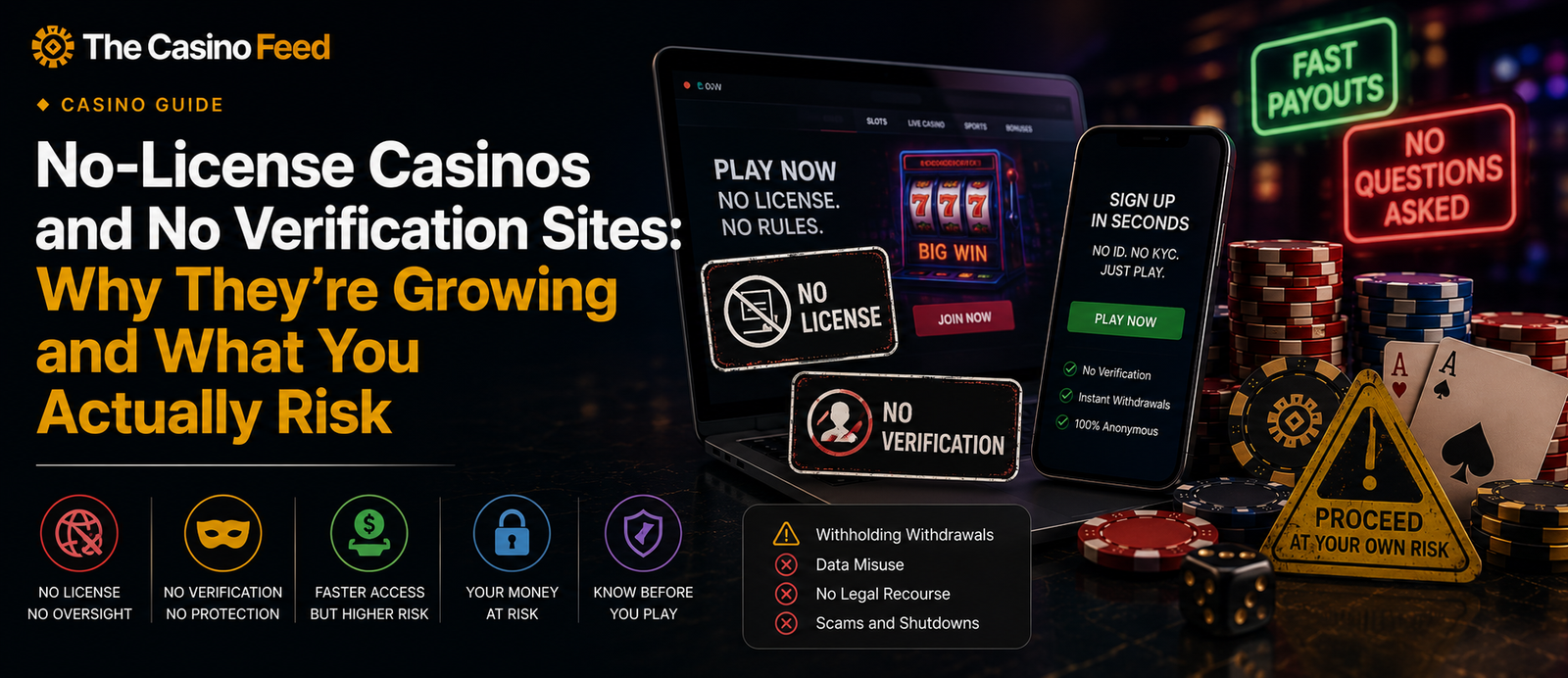
No-License Casinos & No-KYC Sites are growing because they remove friction, no documents, no waiting, deposit and play within minutes, usually through crypto. That convenience is real. So is the trade-off: skipping identity checks usually means skipping the protections that come with them, and in a genuine dispute, you may have little to no recourse at all.
Why These Sites Are Growing So Fast
The growth here isn’t accidental, it’s driven by a conversion gap that’s hard for operators to ignore. Platforms requiring full identity verification before any access report account completion rates of roughly 40 to 50 percent, meaning half of everyone who starts signing up abandons the process before finishing. Platforms offering immediate wallet-based access, no documents, connect a crypto wallet and start playing, report completion rates exceeding 90 percent. That gap is a massive commercial incentive, and it’s the core reason no-KYC platforms have proliferated so quickly across the crypto gambling space.
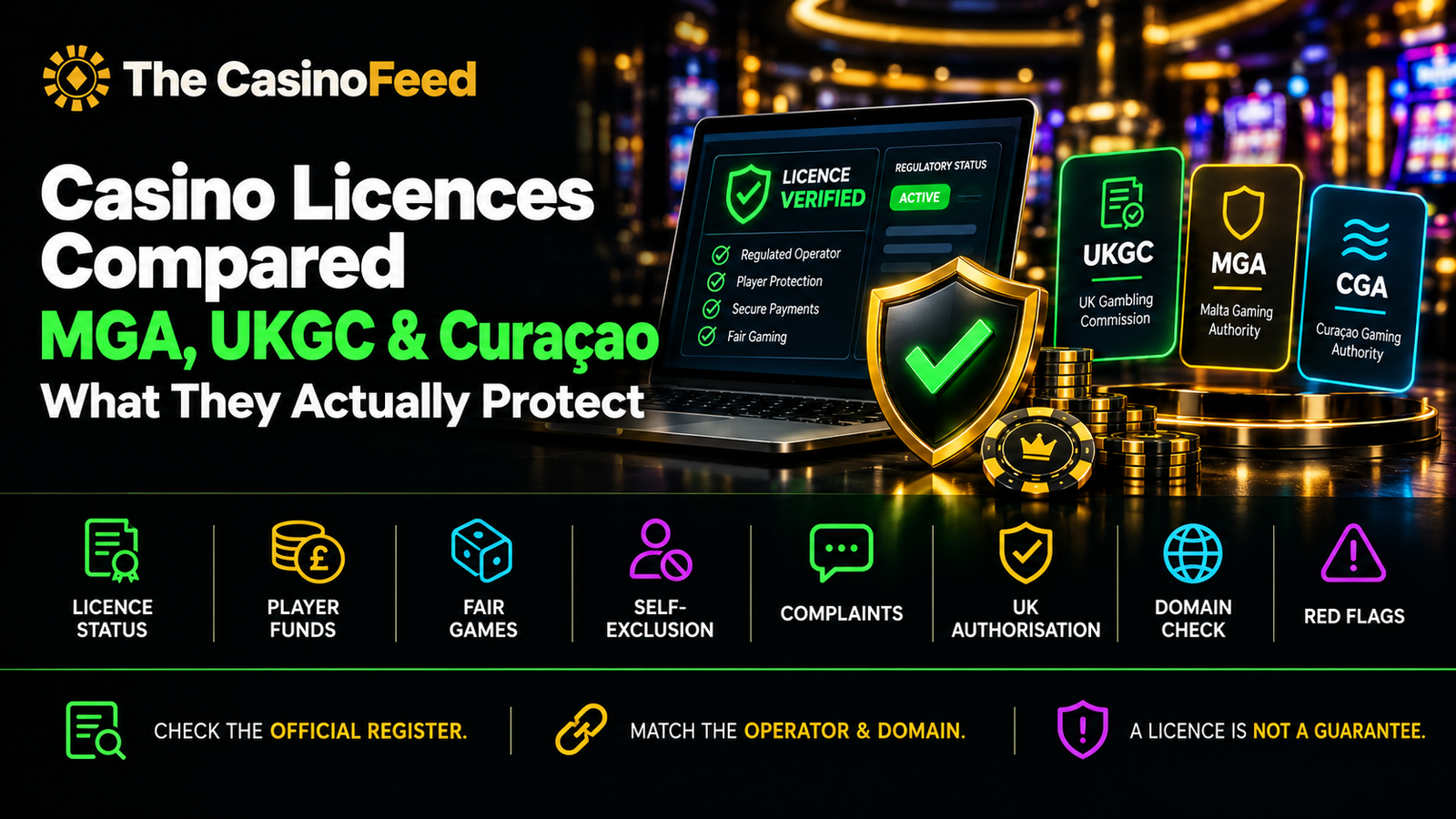
Changes in regulation have occurred too, but contrary to your expectations. For example, Curaçao – the licensing authority that previously allowed for the most relaxed verification – changed its system in December 2024 with the establishment of the new Curaçao Gaming Authority that now requires a risk-based verification process rather than allowing anonymity. Instead of becoming stricter, some gambling websites moved to an even more loosely regulated jurisdiction, like Anjouan, or continued operating without any license at all. The regulatory tightening in one place pushed part of the market toward less-regulated ground elsewhere, not toward more compliance overall.
What “No Verification” Actually Means in Practice
This is the detail most marketing around these sites glosses over: “no KYC” almost never means permanent anonymity. It typically means reduced friction at signup, deposit, and low-value play, with identity verification still able to appear later, most commonly at a large withdrawal, once you cross a specific payout threshold (often somewhere between $2,000 and $5,000), or when your activity trips an anti-money-laundering flag. In other words, the moment you’re most likely to want your money is often exactly the moment a “no verification” site suddenly asks for it, after all, not before.
What You Actually Risk
Little to no recourse if something goes wrong. Standard offshore licences common among these sites provide a licensing framework on paper but limited active oversight in practice, and unlicensed platforms offer zero regulatory protection at all. If the platform disappears, changes its terms, or simply refuses a withdrawal, there’s no Alternative Dispute Resolution provider or licensing regulator with real authority to help you, the escalation path that exists for properly licensed casinos largely doesn’t apply here.
A verification ambush at the exact moment you want to cash out. Because “no KYC” frequently converts into “KYC required now” right at withdrawal, players can find themselves scrambling to produce documents under pressure, sometimes from a jurisdiction or platform with no clear support process for handling that request properly.
Weaker or nonexistent responsible gambling protections. Standard tools like self-exclusion registries, deposit limits, and mandated problem-gambling resources are far less consistently implemented, if implemented at all, on sites built specifically around minimizing account friction.
Personal exposure to money laundering and fraud risk. Platforms with minimal verification are attractive not just to privacy-conscious players but to bad actors, and playing on a site with weak AML controls can put your own funds and activity closer to that exposure than you’d want, even if you’re doing nothing wrong yourself.
Tax compliance falls entirely on you. Without a regulated operator handling standard reporting, any tax obligations on winnings become your responsibility to track and report accurately, with no institutional paper trail helping you along the way.
Unverifiable fairness claims. Some no-KYC sites advertise “provably fair” games using cryptographic verification you can check yourself, which is a genuine feature when implemented honestly, but it’s not universal, and there’s no independent regulator confirming game fairness the way a licensed casino’s testing requirements would.
A Practical Way to Evaluate Any Site Making This Claim
If you’re considering a platform advertising no verification or minimal checks, a few checks matter more than the marketing copy. Confirm whether the platform actually holds any licence at all, and if so, from which jurisdiction, since a genuine (if limited) offshore licence is meaningfully different from operating with none. Check independent payout history through forums, review aggregators, and complaint databases rather than the platform’s own claims, since real-world evidence of whether withdrawals actually process is the single most useful signal available.
Be specifically wary of any site that asks you to pay a fee to unlock your own winnings, a consistent red flag across both licensed and unlicensed operators. And go in assuming verification could appear later regardless of what the homepage promises, keeping balances modest and withdrawing in sensible increments rather than letting a large balance build up on a platform you can’t easily hold accountable.
The Honest Trade-Off
Speed and privacy are true advantages, and for certain users where there are limited local options that are licensed, no-KYC sites have a real function. However, this is at the cost of true limitations on the safeguards that are in place to help you when things go wrong. That trade-off is worth making with open eyes, not discovering after a withdrawal gets stuck.
If you’d rather play somewhere with genuine licensing, clear terms, and a documented payout track record instead of gambling on both the games and the operator’s reliability, that’s exactly the kind of detail The Casino Feed checks and rates in every review.
FAQ
Are no-verification casinos legal?
It depends entirely on the specific platform and your jurisdiction. Some hold genuine, if limited, offshore licences; others operate with no licence at all. Crypto gambling itself is also restricted or illegal in many jurisdictions, including for many US players, regardless of the casino’s own verification policy.
Will a no-KYC casino ever ask for my ID?
Very often, yes, just not at signup. Most platforms reserve the right to request verification at withdrawal, above a certain payout threshold, or when activity triggers a risk or anti-money-laundering flag, so “no KYC” is best understood as reduced friction upfront, not a permanent guarantee.
What happens if a no-license casino refuses to pay me?
Your options are extremely limited. Without a genuine regulator or Alternative Dispute Resolution provider overseeing the operator, there’s typically no formal escalation path available, unlike disputes with a properly licensed casino.
Is it safe to deposit crypto into an anonymous casino?
It carries meaningfully more risk than a licensed, verified platform. Weaker oversight, limited recourse, and inconsistent fairness verification all apply, so it’s worth treating any balance on such a platform as money you could lose entirely, not funds with the same protections you’d expect elsewhere.