
On Friday night, you put in two hundred dollars, make a few bets and go to sleep with a smile on your face. After 3 months, the website will be unavailable. No emails. No warning. Nothing but an empty screen with no account there.
This does occur more than one might imagine. Casinos close down, lose their licenses, and simply disappear, leaving their users’ money in their accounts. When that happens, most people don’t stop to ask the obvious question until it’s too late: where does the money go?
So let’s get into it, as there is no simple, or reassuring answer.
Why Online Casinos Actually Collapse
Casinos do not normally close down because they are losing their own games. The house edge is a reality and it is working. If an operator fails, it’s nearly always due to other reasons: poor management, the regulator pulling the licence, a payment processor shutting down or the operation being a scam from the start.
Consider the collapse of a number of unlicensed crypto casinos back then in 2022 and 2023.Think about the collapse of a lot of unlicensed crypto casinos back in those two years, 2022 and 2023. Some were running on a very slim margin, paying out old withdrawals with fresh deposits, like a casino Ponzi scheme. With the music ended, thousands of players left with empty wallets. Of course, this is a dramatic example, and an example of the range of what “going bust” can mean. At times, it’s a real company that simply mismanaged its cash flow. Sometimes it’s slot machine in disguise, disguised as fraud.
Well, as a player, sometimes that’s the only way to know when it happens. The website appears the same regardless of the view. The bonuses are identical in appearance. The shiny website’s homepage doesn’t tell you that the firm behind it is 3 weeks from bankruptcy.
Where Your Deposited Money Legally Sits
This is where it gets interesting, and where a lot of players assume something that isn’t true. Most people picture their casino balance like a bank account, money that’s set aside, waiting for them, untouchable by anyone else. That’s rarely how it works.
In most jurisdictions, player funds aren’t automatically ring-fenced. Unless the casino operates under strict regulation that requires segregated accounts, Malta and the UK are two places that actually enforce this, your deposit often gets pooled with the company’s general operating funds. That means your two hundred dollars might be sitting in the same account used to pay staff salaries, server bills, and marketing costs.
So if the company goes bankrupt, your money isn’t a protected asset. It’s just another liability the company owes, and you’re standing in line with everyone else the company owes money to, employees, software providers, tax authorities, landlords. Player winnings are rarely first in that line. In fact, in most bankruptcy proceedings, unsecured creditors like customers get paid last, if anything’s left at all.
Does that surprise you? It should. Most people never read the terms and conditions closely enough to know their deposit isn’t legally “theirs” in the way a bank deposit is.
The Role of Licensing (and Why It Matters More Than the Bonus Offers)
This is probably the single biggest factor in whether you get your money back, and it’s the one thing most players completely ignore while chasing free spins.
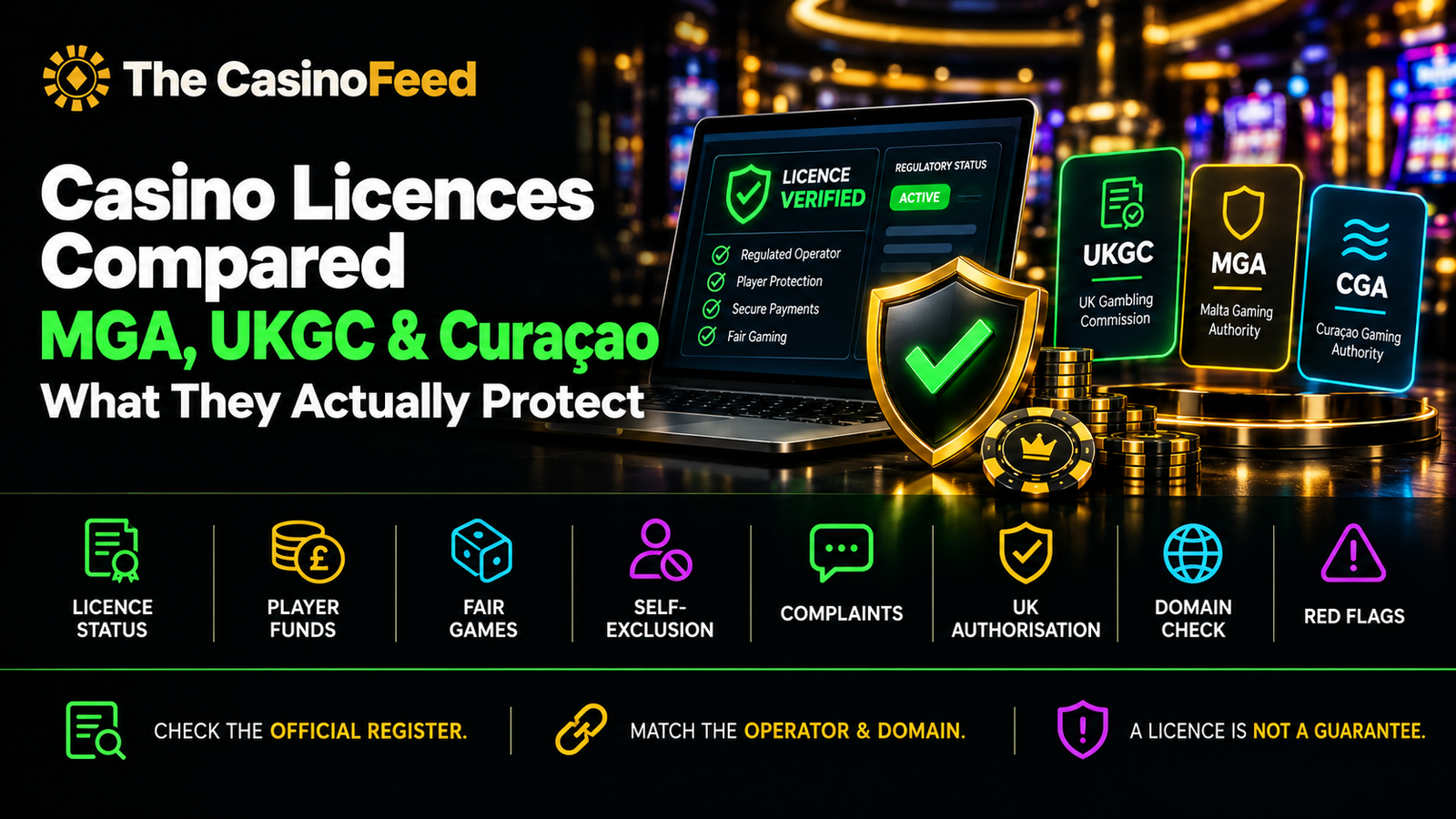
A casino licensed by the UK Gambling Commission or the Malta Gaming Authority operates under rules that require player funds to be kept separate from company funds, sometimes in a trust account or with insurance backing. If the operator collapses, there’s an actual mechanism for players to file claims and, in some cases, recover their balance.
Compare that to a casino licensed out of Curaçao, historically one of the loosest jurisdictions in the industry, where oversight has been minimal and enforcement even more so. Curaçao has been reforming its licensing framework recently, which is a good thing, but for years it was basically the wild west. Dozens of “Curacao-licensed” casinos disappeared over the past decade, and players had almost no real path to recovery. No regulator to complain to that actually had teeth. No fund to claim from. Just a support email that stopped replying.
What most people miss is that licensing isn’t some boring fine-print detail, it’s the actual insurance policy for your deposit. A flashy welcome bonus means nothing if the company backing it has no accountability structure behind it.
What Actually Happens During a Shutdown, A Real Scenario
Let’s walk through how this plays out, because it’s rarely as dramatic as a single dead website.
Picture a mid-sized online casino, licensed offshore, that’s been running for four years. It starts missing withdrawal deadlines, payments that used to take 24 hours now take a week, then two weeks. Players start complaining on forums and Trustpilot. Customer support goes quiet. Then, one day, the site’s still up, but nothing processes. A month later, there’s a banner: “We are undergoing maintenance and will return shortly.” It never returns.
Behind the scenes, what’s usually happening is a slow bleed, the company ran out of cash to cover withdrawals, tried to stall long enough to recover, and eventually gave up. Sometimes the domain gets sold off. Sometimes the operator just rebrands under a new name and starts over, leaving the old entity as an empty shell with your money still inside it.
If there’s an insolvency process, which is rare for offshore operators, more common for licensed ones, players can sometimes file a claim. But realistically? Recovery rates are low, and the process can take years. I’ve seen forum threads where players are still chasing five-figure balances from casinos that folded three, four years ago. Some get partial payouts. Many get nothing.
How to Actually Protect Yourself Before It Happens
You can’t control whether a casino goes under. But you can control how exposed you are when it does.
Don’t keep large balances sitting in a casino account. Withdraw regularly, even in small amounts. Treat your balance like cash in your pocket, not a savings account, because unlike a bank, there’s no deposit insurance backing it up.
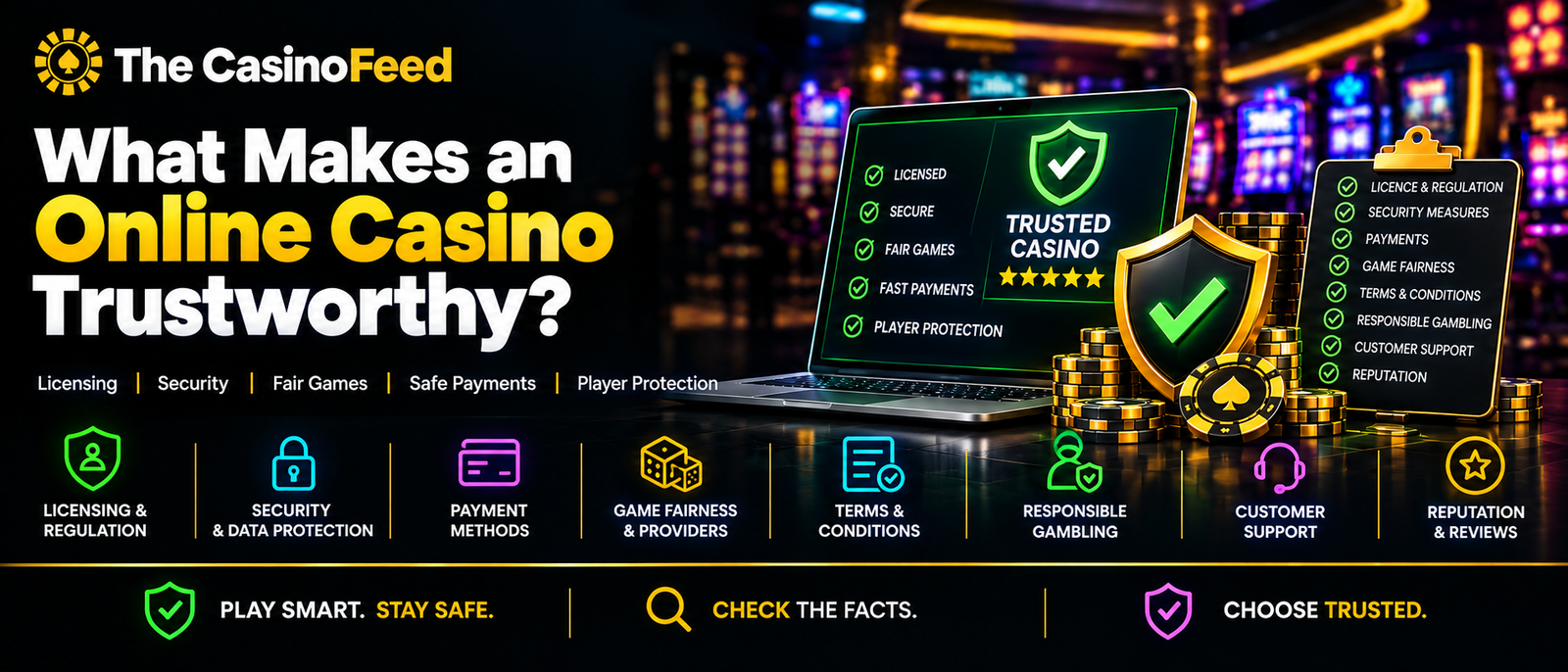
Stick to operators licensed in strict jurisdictions. It’s genuinely worth spending five minutes checking who regulates the site before you deposit a cent. The UK, Malta, and increasingly the reformed Curaçao framework all offer better protection than an obscure license you’ve never heard of.
Watch for warning signs, slow payouts, sudden changes in withdrawal limits, disappearing live chat support, negative reviews piling up in a short window. These are the early tremors before the collapse, and they usually show up weeks or months before the final shutdown.
And honestly? Diversify where you play. Don’t put all your action and all your money into one operator, no matter how good the odds seem or how generous the loyalty program looks.
The Bottom Line
The uncomfortable truth is that online gambling still operates in a much less protected space than most people assume. Your casino balance isn’t a bank deposit. It’s an IOU from a company that might not exist in six months.
That doesn’t mean you need to avoid online casinos altogether; plenty have operated honestly for years without issue. But treat your deposits with the same caution you’d apply to any unregulated financial product. Check the license. Cash out often. Don’t let a big balance sit around collecting dust on a platform you haven’t researched.
If you’re currently playing somewhere and you’re not sure who actually licenses them, that’s worth checking today, before your balance is the one nobody can find.

One Response